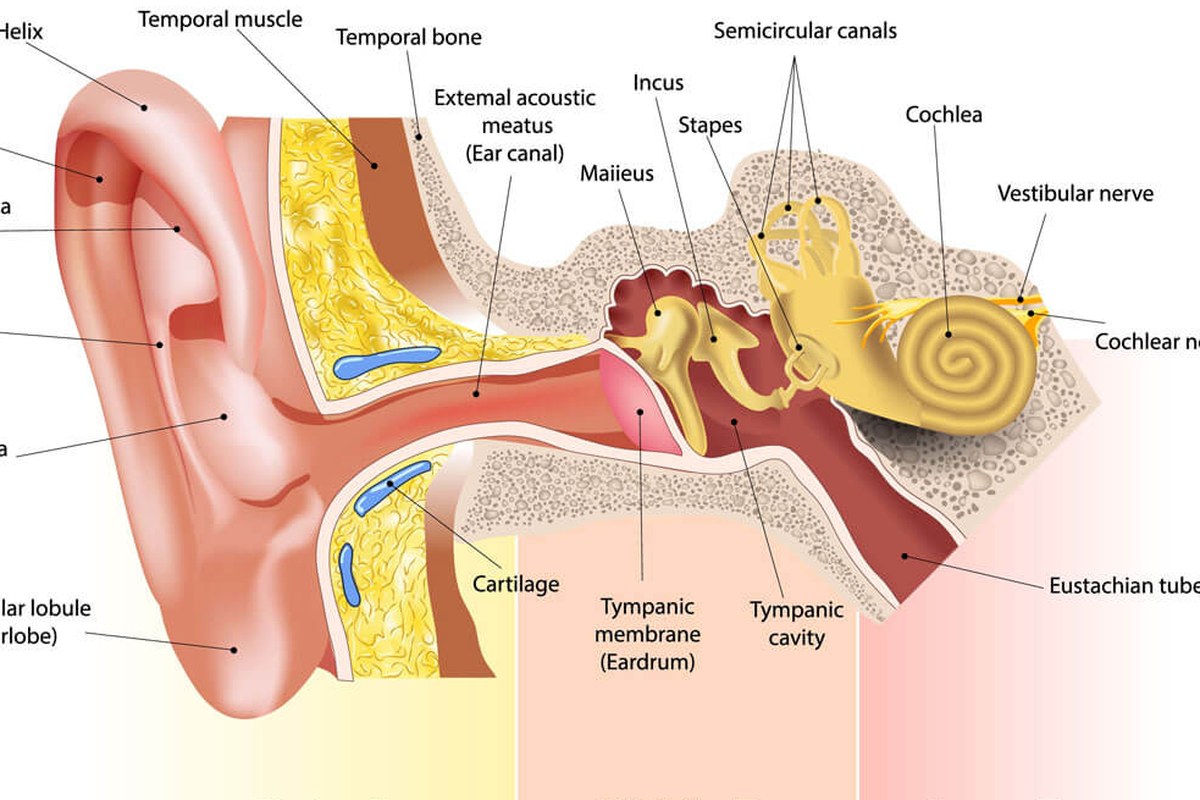
Understanding Ear Pain After Yawning
This guide provides an evidence-aware overview of what this symptom can mean. Ear pain may come from the ear itself or may be referred from nearby areas such as the jaw, teeth, throat or sinuses. The right next step depends on the symptoms and their duration.
What may be behind the discomfort?
Common possibilities include pressure changes, earwax buildup, infections, irritation of the ear canal, Eustachian tube problems, allergies or colds, and referred pain. A healthcare professional can examine the ear when the cause is unclear or symptoms persist.
What you can consider
For mild symptoms, avoid putting objects or unapproved substances into the ear, keep the outer ear dry when appropriate, and follow the directions on any over-the-counter product you choose. If you have a known eardrum problem, drainage, significant hearing change, severe pain or other concerning symptoms, get professional advice rather than experimenting with home treatments.
When to seek medical care
Seek medical evaluation for severe or worsening pain, significant hearing changes, swelling around the ear, fluid or blood coming from the ear, high fever, dizziness, facial weakness, an object stuck in the ear, or symptoms that do not improve. Children with significant symptoms may need earlier assessment.
These warning signs are consistent with guidance from major health information sources, which note that persistent or severe ear pain and symptoms such as discharge, hearing changes, fever or swelling can warrant medical assessment.
Visit Official Website →Affiliate disclosure: EarVanta may earn a commission from qualifying purchases. Product information should be reviewed carefully and does not replace professional medical advice.